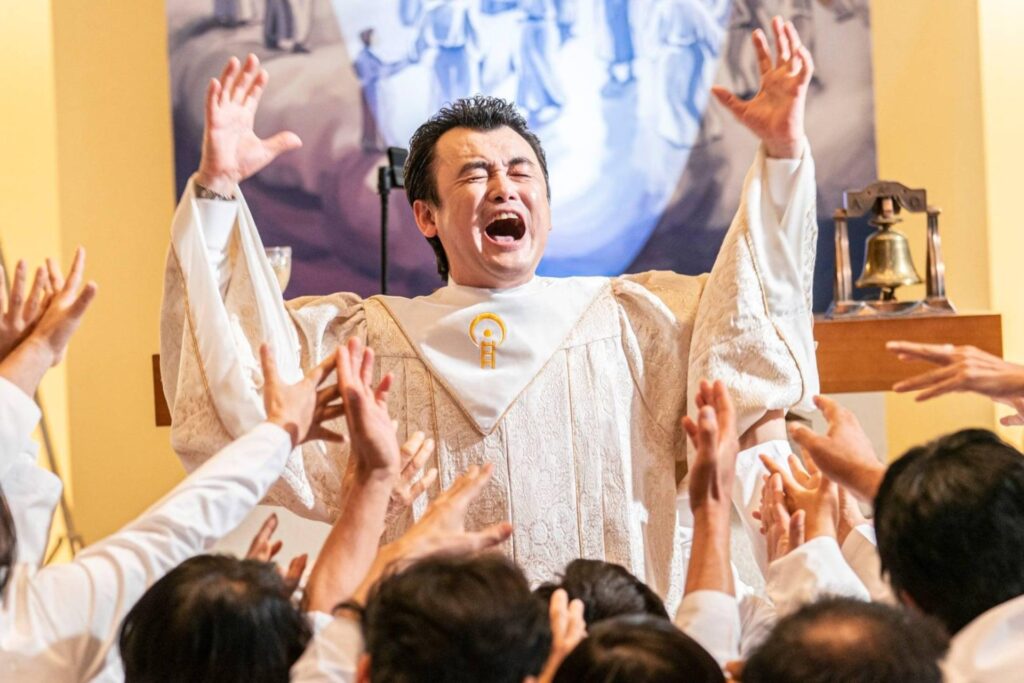

A spiritual narcissist uses spiritual language, beliefs, or practices to feel superior, avoid accountability, or control the people around them. Understanding how this dynamic shows up, recognizing the seven signs, why it can feel so confusing, and how to stay grounded in your own truth can help you navigate it without abandoning your growth.
When Spiritual Language Becomes Control
Spirituality can be a meaningful source of comfort, purpose, and connection. For many people, it creates space for reflection, compassion, humility, and emotional healing.
But spiritual language can also be misused.
When someone uses faith, healing, intuition, enlightenment, or “higher wisdom” to silence you, shame you, or position themselves above you, the dynamic can become emotionally harmful. This is where spiritual narcissism may begin to show up.
A spiritual narcissist may not always look harsh or controlling at first. They may sound wise, calm, compassionate, or deeply devoted. They may talk about growth, love, energy, God, healing, or consciousness in a way that seems grounded.
But over time, you may notice something feels off. Your feelings are dismissed. Your questions are treated as resistance. Your boundaries are framed as fear, ego, weakness, or a lack of faith.
You may start wondering, “Am I being judgmental, or is this person using spirituality to control me?”
That confusion is important to pay attention to.
When Growth and Ego Become Entangled
Real growth usually creates more humility, not more superiority. It helps you become more honest with yourself. It gives you more capacity to listen, repair, and take responsibility.
Spiritual narcissism moves in the opposite direction.
Instead of using spiritual practice to become more self-aware, a spiritual narcissist may use it to build an identity around being special, chosen, more awakened, or more evolved than others. Research and commentary on spiritual narcissism have pointed out that spiritual practices can sometimes feed self-importance when they become tied to superiority or self-image rather than humility and connection.
That does not mean every spiritual person with confidence is narcissistic. It also does not mean every religious narcissist has a clinical personality disorder. What matters most is the pattern.
Do they use spiritual ideas to connect, or to control?
How Spiritual Narcissism Shows Up

A spiritual narcissist often blends spiritual language with emotional manipulation. They may use words like “compassion,” “truth,” “alignment,” “forgiveness,” or “divine guidance,” but their behavior leaves you feeling smaller, less certain, or more dependent on them.
This is one reason narcissistic spiritual abuse can be so difficult to name. The language sounds peaceful, but the impact does not feel peaceful.
You may leave conversations feeling guilty for having needs. You may question your instincts. You may feel pressured to agree because disagreeing makes you seem less loving, less awakened, or less faithful.
Over time, the spiritual framework becomes less about growth and more about power.
In my work with clients, one of the first red flags I notice is when someone has lost track of their own opinions or thoughts. They begin deferring to the other person as if whatever that person says is the truth. They no longer pause to ask, “What do I believe?” or “What feels true for me?”
That loss of self-trust often happens slowly.
Growth vs. Superiority
Growth sounds like, “I am still learning.”
Superiority sounds like, “I understand things you are not ready to understand.”
Growth allows room for questions. Superiority punishes questions.
Growth respects boundaries. Superiority sees boundaries as proof that someone is unhealed, negative, selfish, or spiritually immature.
A spiritual narcissist may present themselves as a teacher, healer, guide, partner, parent, religious leader, or friend. The role may change, but the pattern often stays the same: they position themselves as the one with deeper truth, while your experience becomes less important.
7 Key Signs of Spiritual Narcissism
#1) Using Spiritual Beliefs for Superiority
One of the clearest signs of a spiritual narcissist is the belief that their spiritual path makes them better than others.
They may talk about being more conscious, more faithful, more intuitive, more healed, or more connected than the people around them. They may compare their practices, beliefs, or insights to yours in a way that leaves you feeling judged.
This can sound like:
“You are not evolved enough to understand this.”
“You are still operating from ego.”
“I have done the work, and you clearly have not.”
A spiritual narcissist may use spirituality as a status marker. Instead of allowing their beliefs to deepen humility and compassion, they use them to create distance between themselves and others.
This is not true growth. It is superiority wrapped in spiritual language.
#2) Dismissing Others as Less Evolved
A spiritual narcissist often dismisses people who disagree with them as less awakened, less healed, less faithful, or less enlightened.
This can happen in spiritual communities, families, friendships, coaching spaces, romantic relationships, or religious settings. A spiritual narcissist may use doctrine or scripture to make others feel inferior. Such a person in a wellness space may use language around energy, vibration, or consciousness to do the same thing.
The message is usually the same: “If you disagree with me, it means something is wrong with you.”
This can be deeply confusing because disagreement is a normal part of healthy relationships. You can ask questions, interpret something differently, and say, “That does not feel right to me.”
A healthy person can stay connected through disagreement. A spiritual narcissist often turns disagreement into proof of your supposed lack of growth.
#3) Avoiding Accountability Through Bypassing
Spiritual bypassing happens when someone uses spiritual ideas to avoid emotional honesty, responsibility, or difficult conversations. A spiritual narcissist may say things like:
“You need to forgive and move on.”
“Everything happens for a reason.”
“You are choosing to stay in victim energy.”
“That was your karma.”
These phrases can sound wise on the surface. But when they are used to avoid repair, dismiss pain, or pressure you into silence, they become harmful.
Forgiveness should never be used to erase accountability. Compassion should never require you to ignore your own pain.
If someone hurts you and then uses spiritual language to avoid responsibility, that is not emotional maturity. It is avoidance.
#4) Centering Conversations on Themselves
A spiritual narcissist may turn most conversations back to their insight, their healing, their gifts, their spiritual journey, or their special understanding.
At first, this may seem like passion. They may speak with intensity about what they have learned or experienced. But over time, you may notice there is little room for your inner world.
Your pain becomes a lesson they can teach. Your confusion proves they know more. Your questions become an opportunity for them to demonstrate wisdom.
This kind of dynamic can feel lonely. You may technically be in conversation, but emotionally, you are not being met.
A healthy spiritual connection includes mutuality. Both people get to be human. Both people get to be heard.
#5) Lack of Empathy Behind “Compassionate” Language
A spiritual narcissist may know how to use compassionate language without showing genuine compassion.
They may say they love everyone, want healing for all, or speak only out of kindness. But when you are hurt, they become cold, dismissive, or defensive. They may talk about compassion in broad terms while failing to respond with care in real moments.
This can be hard to reconcile.
You may think, “They talk so much about love. Why do I feel so unseen?”
That question matters. Words and behavior need to match. Someone can use beautiful spiritual language and still lack empathy in the relationship.
True compassion is not just a concept. It shows up in how someone responds when your feelings are inconvenient.
#6) Justifying Harm as a Higher Purpose
A spiritual narcissist may justify hurtful behavior by claiming it serves a higher purpose.
They may say they are challenging you for your growth, exposing your ego, testing your faith, or helping you awaken. In religious spaces, they may claim that God approves of their behavior and that no one should question their authority.
This is especially damaging because it can make you feel guilty for protecting yourself.
You may begin to wonder if the harm is actually helping you. You may question whether your discomfort is a sign that you are resisting growth.
But growth does not require emotional harm. Support does not need humiliation. Guidance does not require control.
If someone repeatedly hurts you and then frames the harm as necessary for your awakening, it is important to step back and look at the pattern.
#7) Creating Power Imbalances
Spiritual narcissism often creates a hierarchy.
One person becomes the wiser one, the chosen one, the healed one, the spiritually advanced one, or the one with special access to truth. The other person becomes the student, the problem, the ego-driven one, or the one who needs correction.
This power imbalance can show up in subtle ways. You may feel like you need their approval before trusting your own decision. You may feel afraid to disagree. You may feel like your intuition only counts if they validate it.
This is not healthy guidance. It is a dependency.
A grounded spiritual teacher, partner, parent, or leader will not need you to lose yourself to trust them. They will encourage you to stay connected to your own discernment.
Maintaining Influence Through Subtle Control

A spiritual narcissist may not always control through obvious aggression. Sometimes control is much more subtle.
They may withdraw approval when you question them or imply that your boundaries are unloving. Your pain might be framed as a sign of low vibration, weak faith, or unresolved trauma. In some cases, they surround themselves with people who reinforce their authority, making it harder for you to speak honestly.
This is why narcissistic spiritual abuse can leave you feeling disoriented. You may not have one dramatic moment to point to. Instead, the harm builds slowly through repeated invalidation.
You may feel pressure to stay agreeable. You may stop trusting your own emotional signals. You may start filtering your words so you do not appear negative, unhealed, or spiritually behind.
Over time, that can pull you away from yourself.
Why Spiritual Narcissism Is Hard to Recognize
Spiritual narcissism is hard to recognize because it often hides behind language that is usually associated with goodness.
Words like forgiveness, compassion, surrender, purpose, faith, growth, healing, and love can all be meaningful. They can also be misused.
One of the biggest misconceptions I see is the belief that wanting to be good means you should keep giving someone the benefit of the doubt, even when something inside you knows they have crossed a line. Many people miss the pattern because they are trying so hard to be kind, forgiving, open-minded, or spiritually mature.
But being good does not mean ignoring harm.
When someone uses spiritual language to dismiss your feelings or control your choices, your mind may struggle to make sense of the contradiction. Part of you sees the harm. Another part of you wonders if you are being unfair.
This is especially true if others admire the person. They may have a respected role in a spiritual community, a religious group, a family system, or a professional space. Other people may see them as wise, generous, gifted, or deeply committed.
But public image does not always match private impact.
The Appeal of Certainty in Uncertain Spaces
People are often drawn to certainty when they feel scared, overwhelmed, or emotionally vulnerable. A spiritual narcissist may offer clear answers, strong opinions, or a sense of special knowledge.
At first, that certainty can feel comforting.
But certainty becomes harmful when it leaves no room for your lived experience. A person who truly supports your growth will not need to control your questions. They will not shame you for needing time, space, or clarity.
You can value guidance without giving someone authority over your reality.
The Emotional Impact of Spiritual Narcissism
Being close to a spiritual narcissist can affect your self-trust. You may start questioning your feelings, instincts, faith, values, and ability to make choices.
You may also feel guilt for being hurt.
In my experience, this is where gaslighting often comes in. People begin to lose their sense of self because they are made to feel bad for questioning the person, setting a boundary, or naming what hurts. The guilt becomes so strong that they start turning against themselves instead of noticing the pattern in front of them.
This is one of the painful parts of narcissistic spiritual abuse. Because the language is often tied to goodness, you may feel ashamed for naming the harm. You may wonder if you are being negative, unkind, unforgiving, or spiritually immature.
But noticing harm does not make you unspiritual.
It makes you honest.
Feeling Invalidated, Confused, or Inferior
A spiritual narcissist can leave you feeling like you are always behind. Behind in healing. Behind in faith. Behind in awareness. Behind in understanding.
That feeling can slowly affect how you see yourself.
Speaking up may become more difficult. You might overexplain your boundaries or seek reassurance before trusting your own judgment. In conversations, anxiety can also surface as you try to avoid being corrected, judged, or spiritually analyzed.
If this is happening, the goal is not to argue your way into being understood. The goal is to return to what you know is true inside your own body and life.
How to Stay Grounded in Your Truth
When you are trying to figure out how to deal with a spiritual narcissist, it helps to begin by grounding yourself before engaging with them.
Ask yourself:
How do I feel after spending time with this person?
Do I feel more connected to myself or less connected?
Can I ask questions?
Do I feel pressured to agree?
Do I feel safe setting boundaries?
Your body often notices the truth before your mind can explain it. Tightness, dread, confusion, anxiety, or shutdown can all be signals that something in the dynamic needs your attention.
This does not mean you need to label the person immediately. It means you are allowed to notice the impact.
Reconnecting with Values and Emotional Awareness
A spiritual narcissist may try to pull you into their version of truth. One of the most grounding things you can do is reconnect with your own values.
What do you believe about respect?
What do you believe about accountability?
What do you believe about love?
What do you believe about repair after harm?
When you understand your values, you can more easily recognize when someone uses spiritual language to violate them.
You can also write down what happened after difficult conversations. Not to build a case against the other person, but to stay connected to your own memory and emotional reality.
When someone repeatedly reframes your experience, documentation can help you stay steady.
Setting Boundaries Without Losing Your Growth
Setting boundaries with a spiritual narcissist can feel complicated because they may frame your boundary as fear, ego, rejection, or lack of compassion.
But boundaries are not the opposite of growth. They are part of growth.
A boundary might sound like:
“I am not comfortable being spoken to that way.”
“I respect your beliefs, but I am not asking for spiritual advice right now.”
“I am open to talking when we can both take responsibility for our part.”
“I am not going to discuss my healing through shame or pressure.”
“I need space to make this decision for myself.”
You do not need to overexplain. In fact, overexplaining can sometimes give a manipulative person more opportunities to twist your words.
Keep the boundary clear. Keep it calm. Keep it connected to your own behavior.
You are not trying to control their response. You are deciding how you will care for yourself.
Recognizing spiritual manipulation is one step. Learning to trust your own voice again is another.
Through Narcissistic Abuse Recovery Coaching, you can rebuild self-trust, strengthen your boundaries, and reconnect with what feels true for you.
Moving Forward with Clarity and Self-Trust
Ultimately, recognizing a spiritual narcissist is not about proving someone else wrong but about restoring your ability to trust what you feel, know, and need. The most meaningful shift begins when you stop measuring your growth through another person’s approval and start choosing relationships, beliefs, and practices that allow you to remain fully connected to yourself.
Because these experiences often involve manipulation, self-doubt, and weakened boundaries, my Narcissistic Abuse Recovery Coaching is the most relevant form of support for this journey. Together, we can create a grounded space to process what happened, rebuild your inner confidence, and develop boundaries that protect your well-being without asking you to abandon your compassion.
When you are ready to move forward with greater clarity, self-trust, and support, book a call to begin the conversation.
FAQs About Spiritual Narcissism
What Is a Spiritual Narcissist in Simple Terms?
A spiritual narcissist is someone who uses spirituality, religion, healing language, or personal growth concepts to feel superior, avoid accountability, or control others. They may appear wise or compassionate, but their behavior often leaves others feeling judged, confused, or emotionally smaller.
How to Deal with a Spiritual Narcissist?
The best way to deal with a spiritual narcissist is to stay grounded in your own reality, set clear boundaries, and avoid arguing about your worth, faith, or growth. Keep your responses calm and direct. If the relationship affects your emotional well-being, seek support from trusted people or a professional who understands manipulation and narcissistic abuse.
Can Spiritual Narcissism Be Unlearned?
A person can unlearn spiritual narcissism only by developing self-awareness, taking responsibility, listening to feedback, and addressing the wounds or patterns driving the behavior. Change requires humility and consistent action. Without accountability, the pattern usually continues.
References
Choosing Therapy: “Spiritual Narcissists: 12 Signs & How to Deal With One”
Scientific American: “The Science of Spiritual Narcissism”
CatholicPsych Institute: “5 Signs You May Be Spiritually Narcissistic And What to Do About It”